
What Winter Really Does to Colorado Homes

Reid Benincasa
Colorado winters don't play by the same rules as most of the country. One week you're shoveling two feet of snow, the next you're in a 60-degree Chinook thaw, and then it's back below zero overnight. That freeze-thaw whiplash — combined with high altitude, dry air, and heavy mountain snowpack — puts a unique kind of stress on homes here that homeowners in milder climates never have to think about.
Here's where winter tends to hit Colorado homes hardest, and what to watch for before small problems become expensive ones.
Frozen and Burst Pipes
Colorado's rapid temperature swings are brutal on plumbing. Pipes that run through unheated spaces — crawl spaces, garages, exterior walls, attics — are especially vulnerable when a hard freeze hits fast. Water expands as it freezes, and that pressure can crack even well-installed piping. The real damage usually shows up during the thaw, when a cracked pipe finally lets loose and floods a wall, ceiling, or basement.
What helps: insulating exposed pipes, keeping cabinet doors open under sinks on exterior walls during cold snaps, and letting faucets drip slightly on especially cold nights.
Ice Dams on the Roof
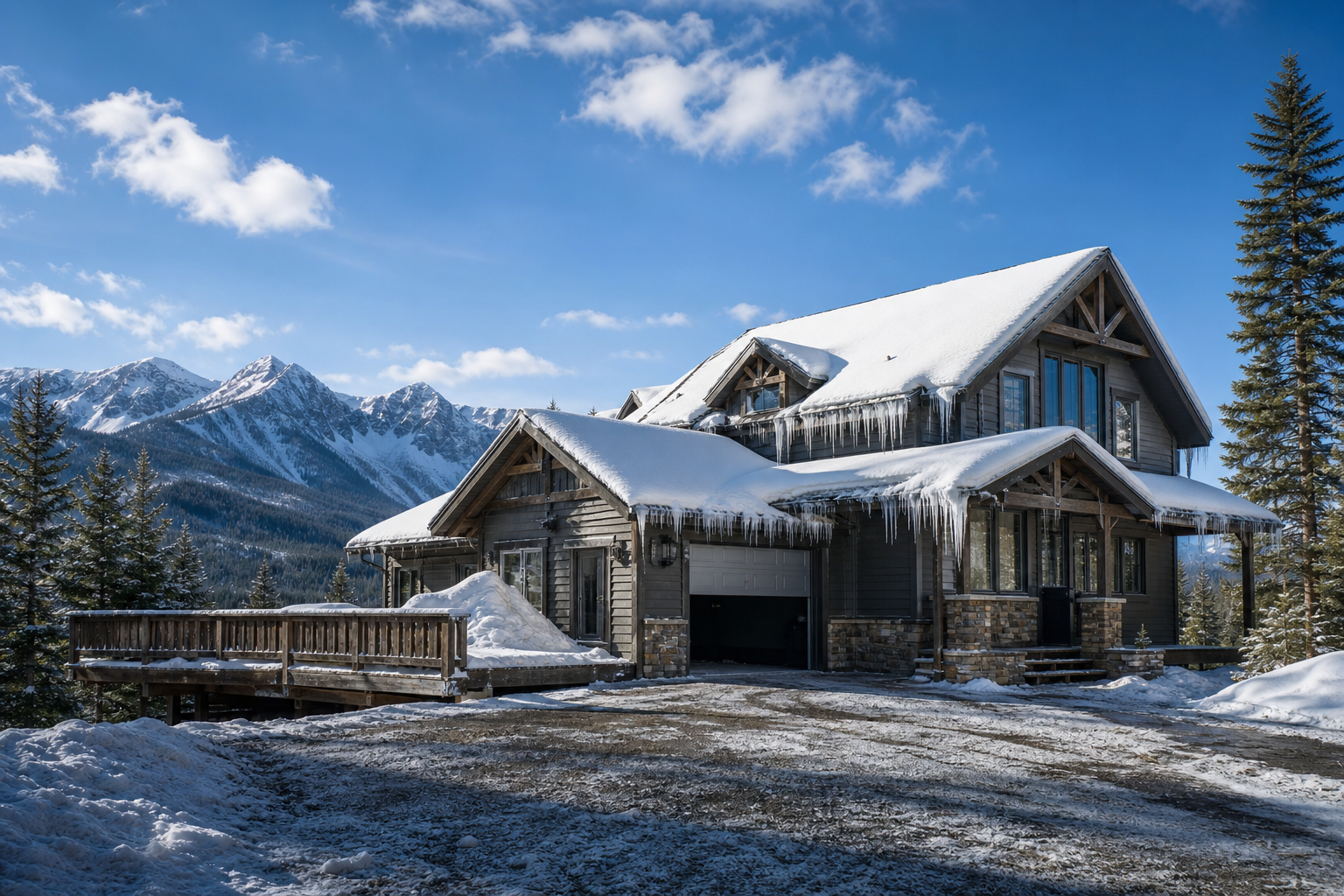
Ice dams form when heat escaping from your attic melts the snow sitting on your roof, that meltwater runs down and refreezes at the colder eaves, and eventually a ridge of ice builds up that traps more water behind it. That trapped water has nowhere to go but under your shingles — leading to leaks, soaked insulation, and stained ceilings.
Ice dams are usually a sign of poor attic insulation or ventilation rather than just "a lot of snow." If you're seeing icicles lining your gutters every winter, it's worth having your attic's insulation and airflow checked.
Snow Load on Roofs and Decks
Colorado's Front Range and mountain communities can get dense, heavy snow — sometimes several feet in a single storm. That weight adds up fast, and older roofs, decks, and porch overhangs aren't always built with today's snow-load codes in mind. Sagging rooflines, cracking sounds, or doors and windows that suddenly stick can all be early warning signs of a structure under more weight than it was designed to carry.
Foundation and Concrete Damage from Freeze-Thaw Cycles
Colorado's clay-heavy soil already tends to shift with moisture changes, and repeated freezing and thawing makes it worse. Water seeps into small cracks in concrete — driveways, sidewalks, foundation walls — freezes, expands, and widens the crack. Do that dozens of times over a winter and small hairline cracks can turn into real structural concerns.
Wind and Hail Damage That Doesn't Wait for Summer
Most people associate hail with Colorado's spring and summer storm season, but high winds are a year-round issue, especially along the Front Range where downslope winds can gust well past 60 mph. These winds can loosen shingles, damage siding, and send debris into windows and vehicles — often without a drop of snow involved.
Garage Doors and Attached Structures
Cold makes garage door springs and openers work harder, and a door that's slightly out of alignment in summer can fail outright once metal contracts in freezing temps. Since many Colorado garages share a wall with living space, a malfunctioning door isn't just an inconvenience — it's a gap in your home's insulation and security.
What This Means for Your Coverage
A lot of winter damage in Colorado falls into a gray area homeowners don't expect:
- Burst pipe damage is typically covered under standard homeowners policies, but the cause matters — negligence, like leaving a home unheated for weeks, can affect a claim.
- Snow load and roof collapse coverage varies by policy, and older roofs may face more scrutiny.
- Wind and hail are usually covered, but check your deductible — many Colorado policies carry a separate, often percentage-based deductible for wind/hail claims.
The best time to find out where you stand is before a storm, not after one.
The Takeaway
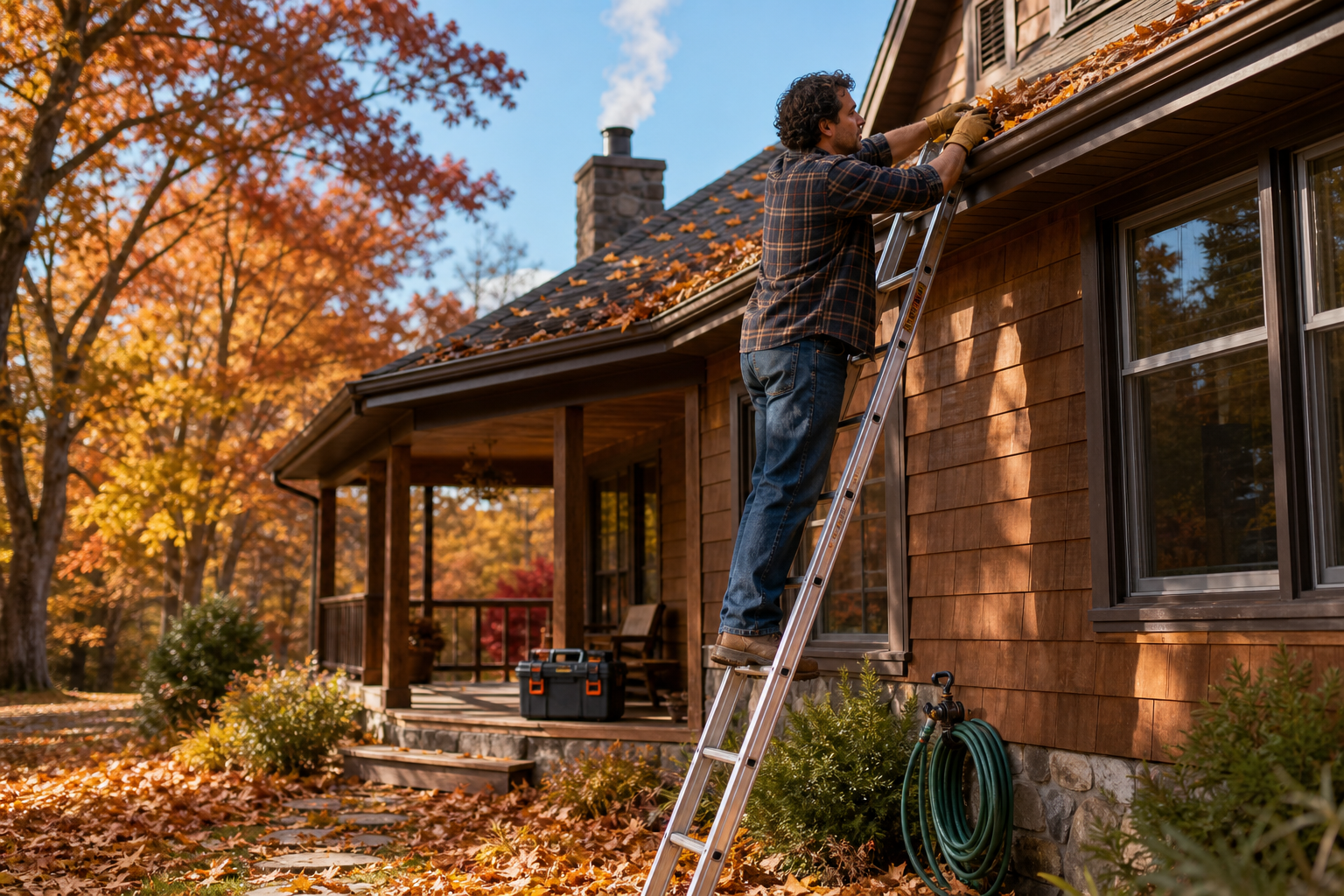
Colorado winters ask more of a home than most builders elsewhere ever plan for. A quick seasonal walk-through — checking pipe insulation, attic ventilation, roof condition, and garage door alignment — can catch small issues before a hard freeze or heavy snowfall turns them into a claim.
Not sure if your policy covers snow load, ice dam damage, or frozen pipes? Talk to a Benincasa Insurance agent to review your coverage before winter hits.