
Your Fall Home Prep Checklist Before Winter Hits

Reid Benincasa
Fall is the last easy window to get ahead of winter. The weather's still mild enough to actually get outside and do the work, but the payoff shows up months later — fewer frozen pipes, fewer ice dams, fewer surprise repair bills once the cold settles in for good.
Here's a room-by-room, system-by-system checklist to work through while the weather still cooperates.
Roof and Gutters
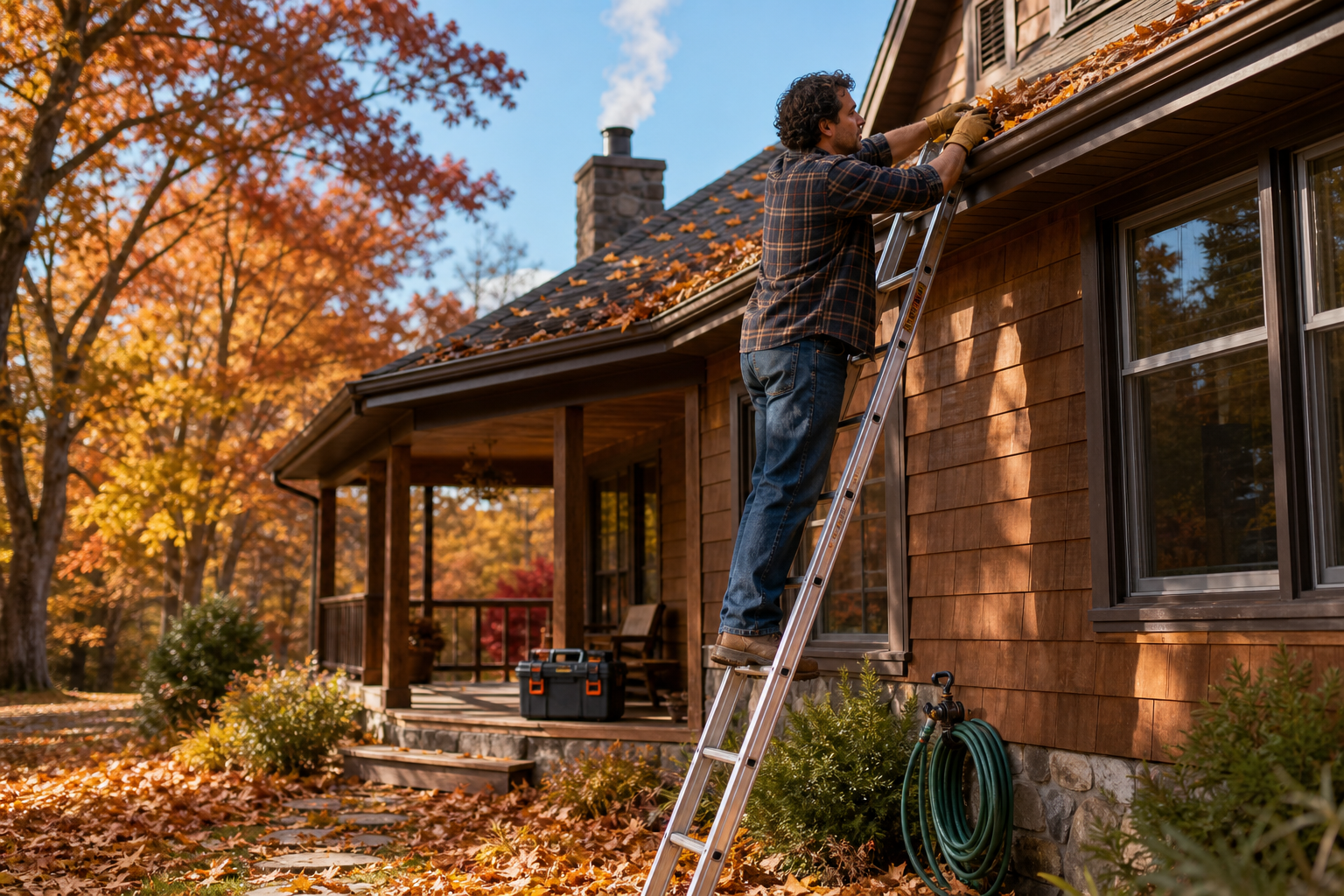
- Clear the gutters. Leaves and debris left in gutters trap water, which can freeze, expand, and pull gutters loose — or back up under your shingles.
- Check for damaged or missing shingles. A small gap now becomes a leak once snow starts melting and refreezing on your roof.
- Look at flashing around chimneys and vents. This is a common (and easy to miss) spot for winter leaks to start.
Exterior and Foundation
- Inspect for cracks in your foundation, driveway, and walkways. Water that seeps into small cracks and freezes will make them bigger — fall is the time to seal them, not spring.
- Grade soil away from the foundation. Make sure the ground slopes away from your house so melting snow doesn't pool against your walls.
- Trim tree branches hanging near the roof or power lines — heavy, wet snow can snap weak limbs and take gutters, siding, or windows with them.
Plumbing
- Disconnect and drain garden hoses, and shut off exterior faucets if you have a shutoff valve. Leaving hoses attached can cause water to back up and freeze in the pipe itself.
- Insulate exposed pipes in crawl spaces, garages, and along exterior walls.
- Drain and winterize irrigation/sprinkler systems if you have them — this is one of the most common and preventable freeze-related repairs.
Heating System
- Have your furnace or heat pump serviced before you need it daily. A quick filter change and inspection now beats a no-heat emergency call in January.
- Test your carbon monoxide and smoke detectors, and replace batteries if needed — furnaces and fireplaces both get more use once the temperature drops.
- Have your chimney inspected and swept if you use a wood-burning fireplace, to clear creosote buildup before your first fire of the season.
Windows and Doors
- Check weatherstripping and caulking around windows and doors — gaps here are a major source of heat loss and can let in drafts that make your furnace work overtime.
- Consider storm windows or plastic film insulation for older or single-pane windows.
- Test your garage door's seal and alignment — cold makes any existing misalignment worse, sometimes overnight.
Attic and Insulation
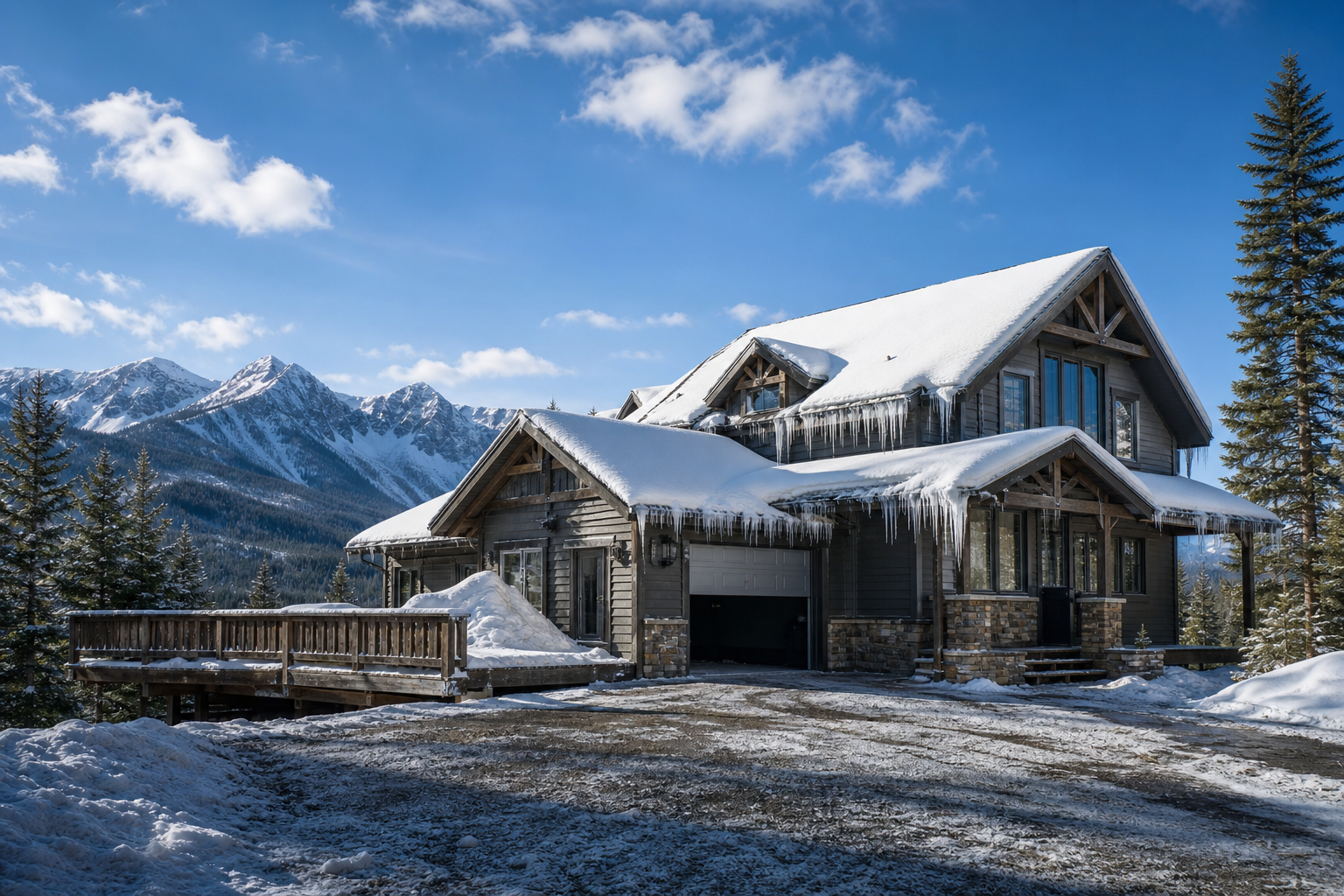
- Check attic insulation levels. Thin or uneven insulation is one of the top causes of ice dams, since escaping heat melts snow unevenly on the roof above.
- Make sure attic vents are clear so air can circulate properly and keep your roof temperature more consistent.
Emergency Prep
- Put together (or refresh) a winter emergency kit: flashlights, batteries, blankets, a battery-powered radio, and a few days of nonperishable food and water in case of a power outage.
- Know where your main water shutoff valve is — if a pipe does burst, being able to shut off water fast can be the difference between a minor repair and major water damage.
- Photograph your home and belongings for an updated inventory, especially before storm season — it makes any future claim faster and easier.
The Takeaway
None of these tasks take a full weekend on their own, but tackled a few at a time throughout fall, they add up to real protection once winter arrives. The homes that come through winter with the fewest surprises are almost always the ones that did this walk-through in October, not the ones scrambling in January.
Want to make sure your coverage matches the season? Talk to a Benincasa Insurance agent about reviewing your policy before winter.